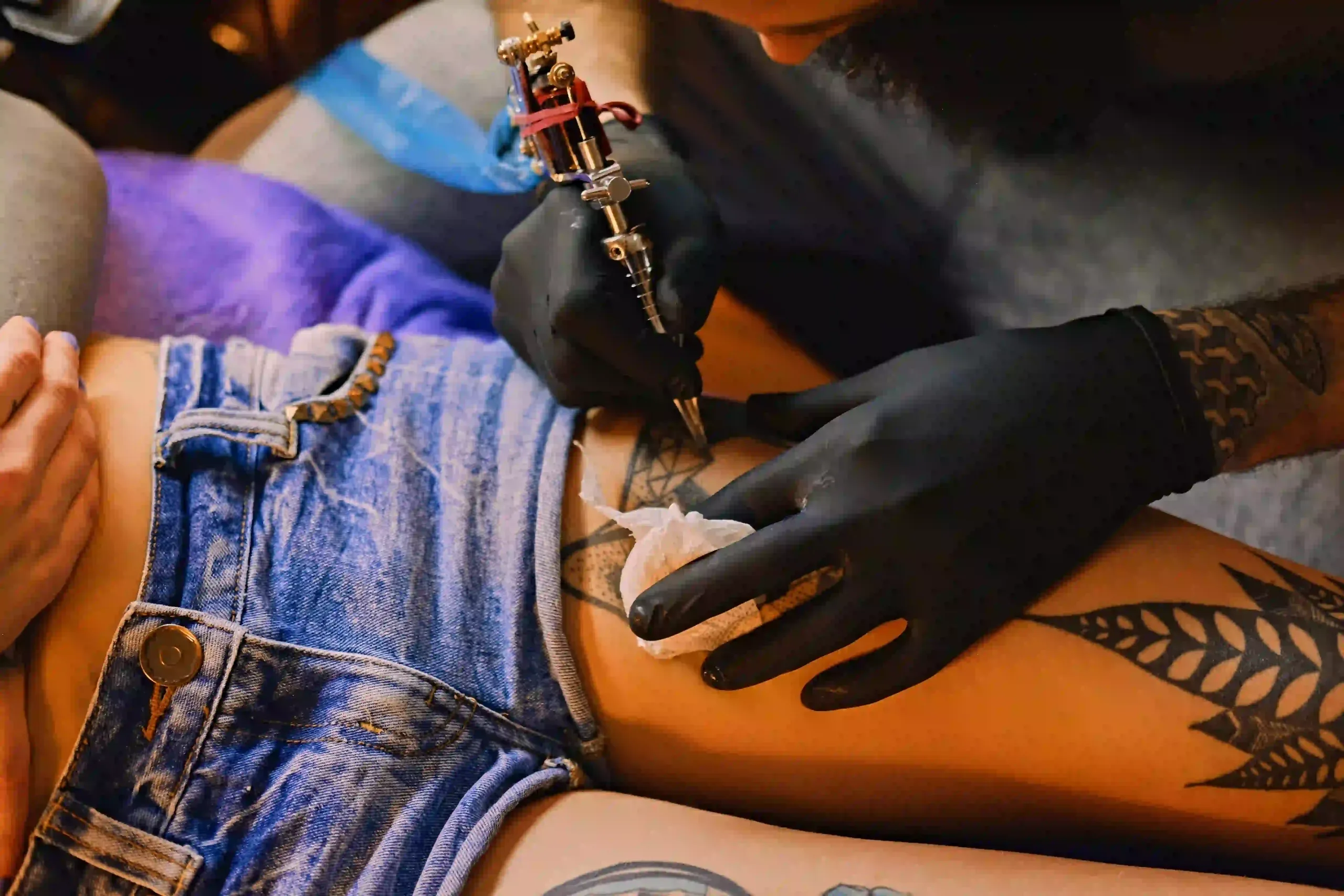
Does a tattoo hurt? How to ease the pain and care for a fresh tattoo?
Does a tattoo hurt? This question often comes up for people thinking about their first permanent design on the body. A tattoo is a form of body art with a long tradition — from a symbol of status and belonging to an individual way of self-expression. Today, tattoos, alongside their artistic value, are also a form of personal statement. However, how painful it feels during the session depends on several factors, such as the location or individual tolerance for discomfort. Read on to find out what can help you better prepare for your first visit to a tattoo studio!
How much does a tattoo hurt?
A tattoo can come with some discomfort, but the intensity of the pain experienced differs depending on the body part where the tattoo is placed. Some are less sensitive, causing less discomfort, while other body parts can be particularly prone to more intense sensations.
Spots with the least pain
Some spots are less sensitive to pain during tattooing, making them particularly suitable for a first design. The least painful areas are those where the skin is thicker or where there’s more muscle or fat tissue underneath. These areas include the shoulders, thighs and buttocks — tattoos there can be much easier to tolerate. That’s why tattoos in these spots are very popular among people who are just starting out with body art.
Spots with the most pain
Other parts of human anatomy are much more sensitive, which means a tattoo there can cause considerable discomfort. The most painful areas are those with thin skin and many nerve endings, for example the ribs, hands, feet and face. For many people, tattoos on the ribs or feet are a challenge, even if they’ve already had other body parts tattooed. If you choose a permanent design in one of these spots, it’s good to mentally prepare for more demanding sensations.
How long does the pain last after getting a tattoo?
The discomfort of a tattoo can last a few days after the procedure. How intense these unpleasant sensations are, and how long they last, depends on individual predisposition and on the spot where the design was placed. In most cases the pain decreases after a few days, but the skin can stay red and slightly swollen for about a week. Remember that proper aftercare of a fresh tattoo matters greatly, both for the healing process and for how much pain you experience.
What affects how intense the pain is during tattooing?
There are several aspects that can affect how much pain we experience during tattooing. It’s good to know these in advance, so you can consciously plan your visit to the professionals.
-
Skin thickness and sensitivity – thin skin, such as on the ribs or wrists, is more sensitive to pain, which means tattoos in these spots are often felt more strongly. In spots with thicker skin, such as shoulders or thighs, the pain is usually less intense. In addition, individual sensitivity to discomfort also plays an important role here.
-
Size and complexity of the design – larger and more detailed projects require more working time, which can increase the discomfort. Sessions split into shorter stages, or simpler motifs, are better for people with lower pain tolerance.
-
Skill of the tattoo artist – an experienced tattoo artist works efficiently and carefully, which minimizes the length of the session and also reduces discomfort. Confident and precise work has a positive effect on the client’s experience, while uncertain movements from a less experienced artist can be painful.
How do you ease the pain during tattooing?
There are several ways during tattooing that can help reduce the pain experience and make the process more comfortable. It’s good to plan in advance how you’ll prepare for the session, in order to have a better experience. Here are a few tried-and-tested methods:
-
Physical and mental preparation – good sleep before the session improves pain tolerance, and a light meal ensures a stable energy level. It’s good to avoid alcohol and caffeine, which can increase the body’s sensitivity, and a positive mindset and a conversation with the tattoo artist can help reduce stress.
-
Numbing creams – products containing lidocaine can be useful, when applied to the skin about an hour before the session. Before using them, discuss it with the artist, since some studios advise against them because of their effect on ink quality.
-
Relaxation and breath control – deep breathing, for example the 4-7-8 technique, helps reduce muscle tension. You can also listen to your favorite music or a podcast, or focus on meditation to take your mind off the pain.
Aftercare for a fresh tattoo
Proper aftercare of a fresh tattoo is essential for its quality and appearance after healing. The healing process usually takes two to four weeks and consists of several stages. At first there’s redness and slight swelling. After a few days the epidermis starts to peel — this is a natural reaction that shouldn’t be sped up by scratching. Otherwise you can easily get an infection.
After that you need to regularly wash the skin with lukewarm water and mild soap, and then pat it dry with a clean paper towel. This is the first step of proper aftercare for a fresh tattoo. Remember, also use special ointments, which speed up healing and hydrate the decorated area. It’s important to apply them in a thin layer, and avoid excess, which could block the air supply.
What should you avoid during the healing process?
A fresh tattoo requires special attention, so you need to avoid the sun and the tanning bed for about a month, since these contribute to color fading. You also shouldn’t swim in public pools or go to the sauna, since these can increase the risk of infection and slow down healing.
The best spots for a first tattoo
Choosing the right area for a first tattoo can significantly affect the comfort of someone who’s just starting out with permanent body art. The forearm is one of the more comfortable spots for a tattoo, because the skin there is relatively thick and the pain is minimal. Other recommended areas are the calf and the thigh, which handle discomfort better. The thigh, thanks to its soft and elastic skin, is very popular among beginner tattoo enthusiasts.
What should you pay attention to when choosing a body part to tattoo?
When choosing a spot for a tattoo, it’s good to think about your pain tolerance and the size and style of the design. Larger projects need more space, so the back or thigh are better suited for elaborate motifs, while smaller designs look good on the wrist or behind the ear. The location also affects later aftercare — easily reachable areas make it easier to take care of the tattoo during the healing process.
A few final words from Jungle Tattoo
A tattoo isn’t just a piece of jewelry, but also a special experience that can come with discomfort. Knowing all the factors that affect pain intensity, and the techniques that can ease it, helps you better prepare for this process. The choice of area for a permanent design and the aftercare that follows have a significant influence on the quality of the design and comfort during healing.
Remember that every body is different — it’s good to listen to your body and your own feelings. If you’re dreaming of a tattoo but afraid of the pain, applying our tips can make the whole procedure easier. A professional tattoo studio and a conversation with the tattoo artist before the session increase your comfort and peace of mind.
Experience matters too, so choose wisely!
At Jungle Tattoo we combine an artistic approach with attention to your comfort and safety. Our experienced tattoo artists help you go through the tattooing process in a friendly and safe way, with every session tailored to your individual needs. If you’re looking for a studio that pays attention to every detail — from the first consultation to the aftercare of the fresh tattoo — you’re in the right place with us. Choose Jungle Tattoo and let’s create something special together!
Bekijk ook:
Of:
Aanbevolen berichten:
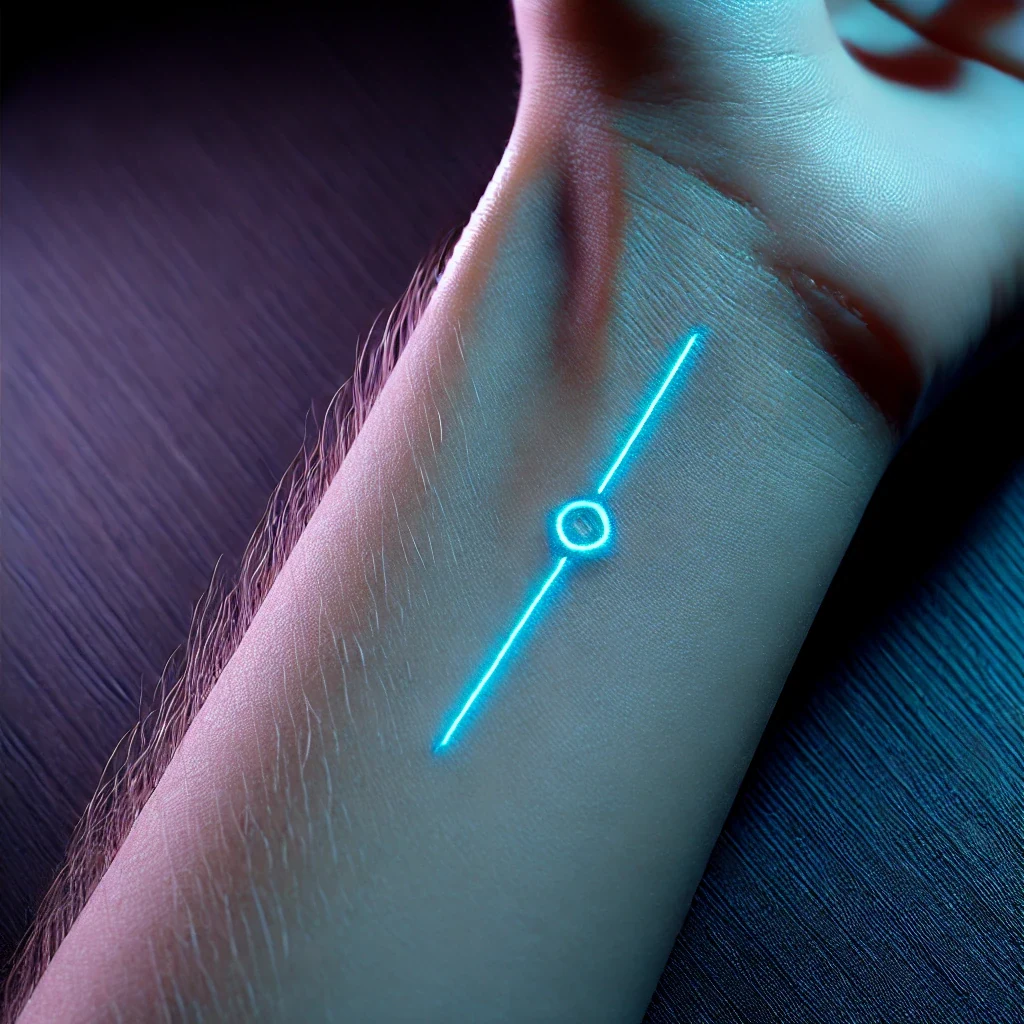
UV tattoos have been drawing the attention of everyone looking for a special piece of skin jewelry in recent years. They glow in the dark...

The process of getting a tattoo can be enormously exciting, but also full of questions and doubts. In this article we look at the main...

A tattoo cover-up is the process of transforming unfortunate designs into a new work of art, making it possible to improve a failed tattoo without...
Book an appointment and make your dream tattoo a reality!
Make your dream of a unique tattoo come true! Book an appointment at our studio today and create a design together with us that expresses your personality forever.
Don’t wait any longer – this is the first step toward realizing your artistic vision!